Transmigrating Cassettes
Framing the audio cassette as an archival and discursive tool
The project was first incubated in the United States through a fellowship undertaken by SITAAD with Soomaal House of Art, the University of Minnesota’s Liberal Arts Engagement Hub and the Immigration History Research Center in 2023. The project’s initial public programme was held at Soomaal House of Art, The Hub (Liberal Arts Engagement Hub, and the Africa Center in NYC.The project is now being incubated in Europe, and has been presented at Afterall, Tate and the Recovery Plan.

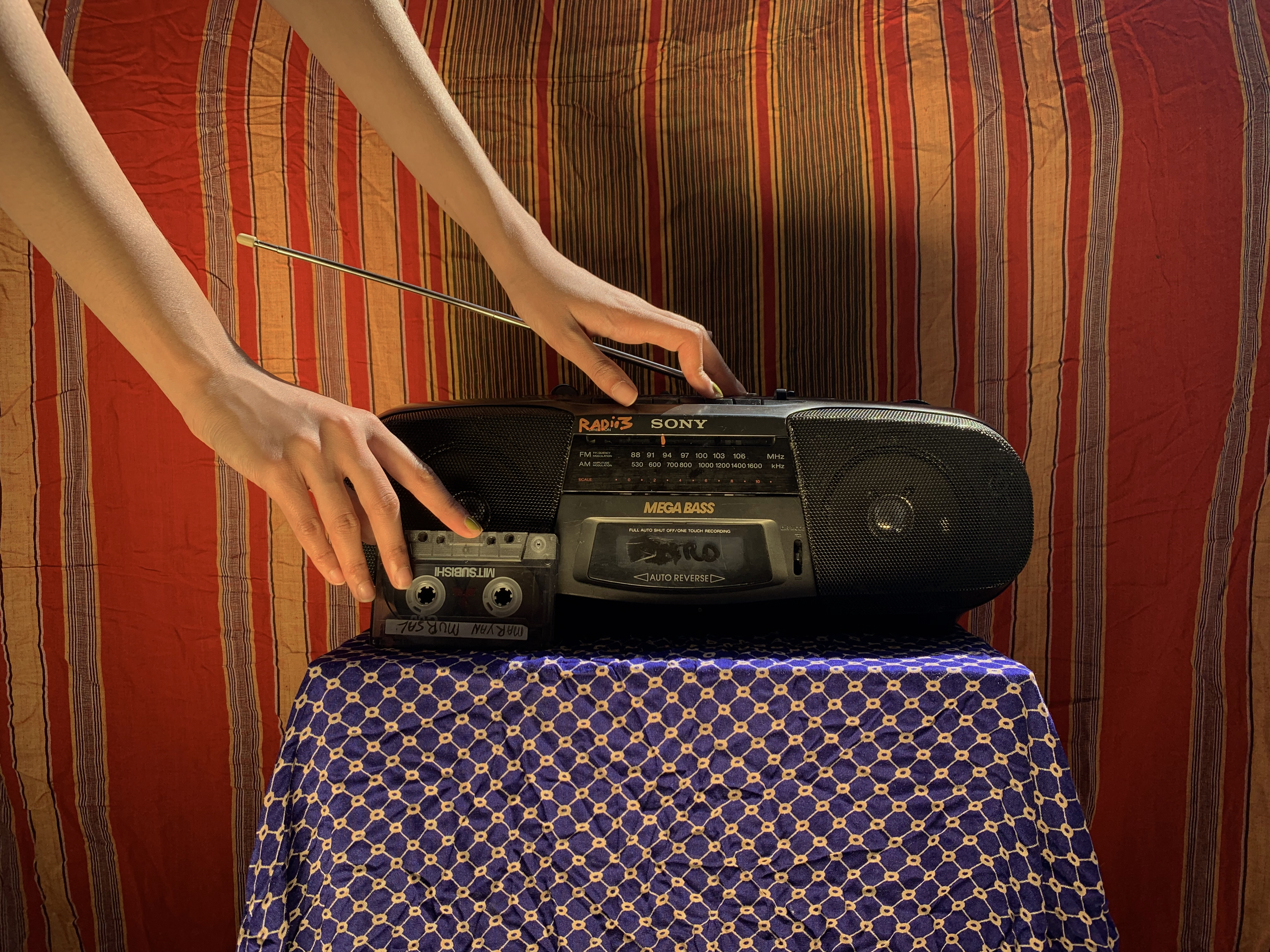
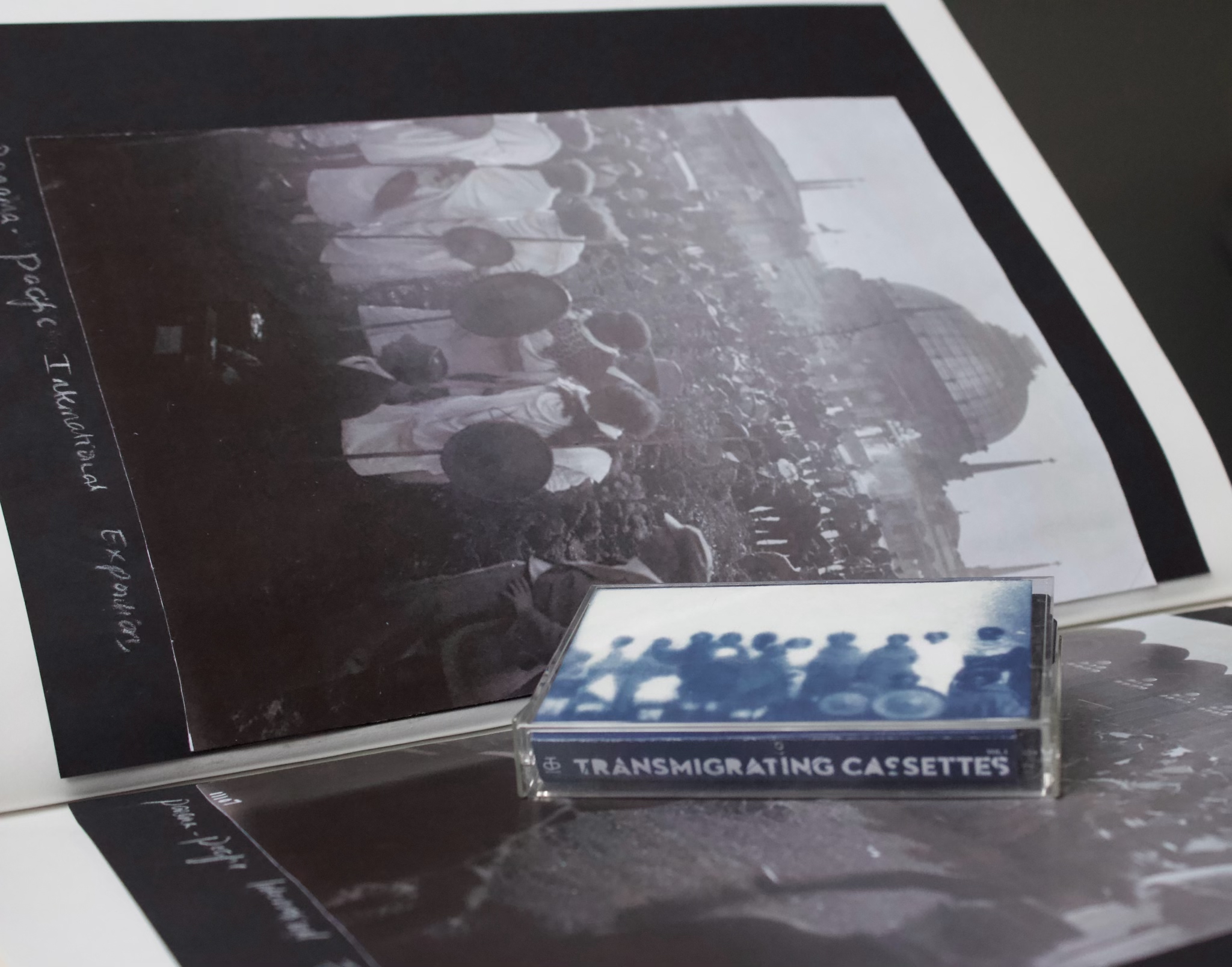
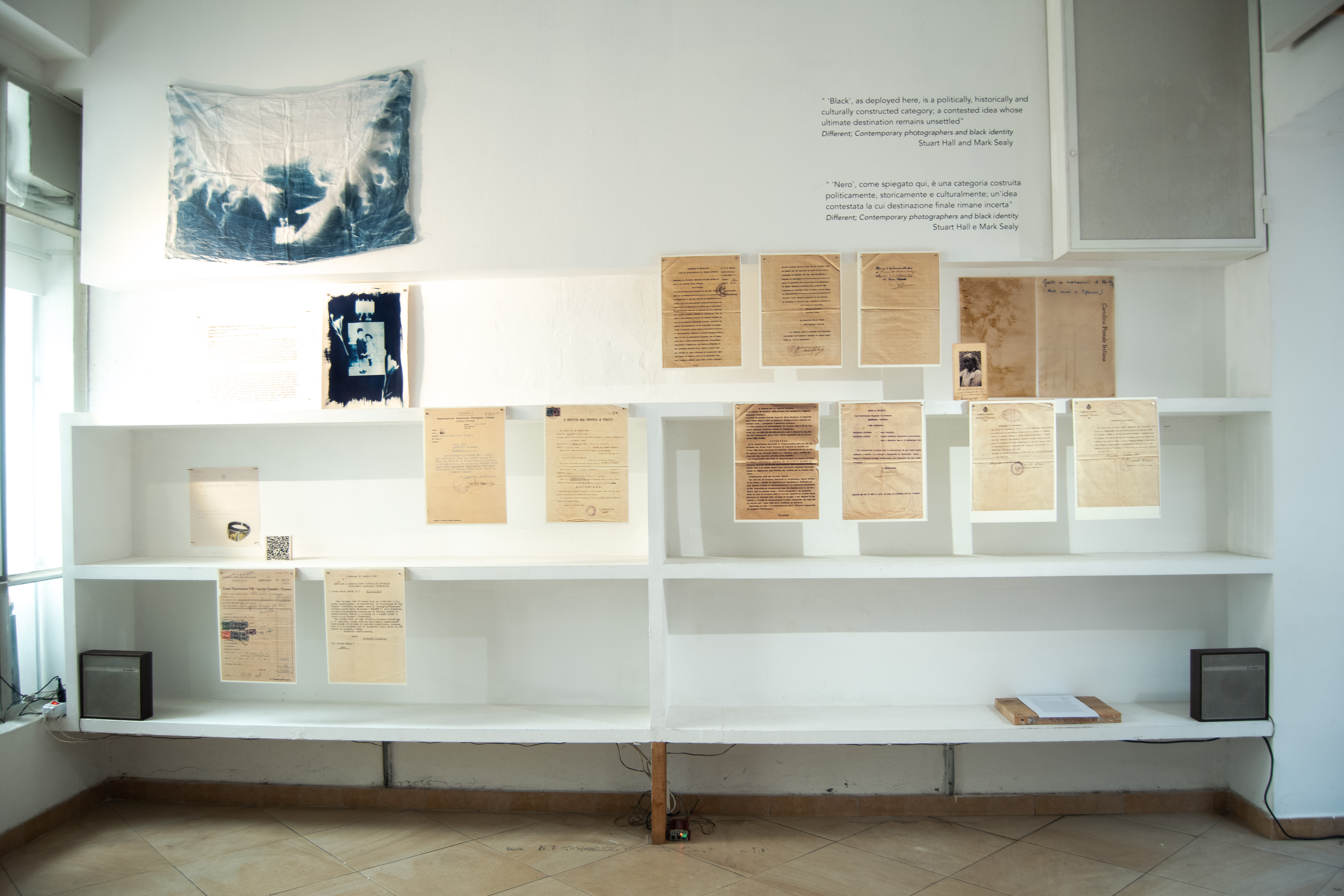
Transmigrating Cassettes Iterations. Courtesy of SITAAD Archive and The Recovery Plan.
Read in full on Afterall
Footnotes
- A cyanotype is a cameraless printing formulation that involves laying a photographic print on a piece of plain (uncoated) paper, on which the image is composed of a blue pigment. The paper is sensitised with ferric (iron) salts. A yellow-brown image prints out during the exposure to the light. During the subsequent washing and drying, the image intensifies and is converted to a prussian blue pigment. See Lavédrine 2009.
- The National Archives and Records Administration: Barnum & Bailey 53939-36b case files cover various issues concerning the troupe’s activities in the United States, including labour agreements with Barnum & Bailey contractors and legal correspondences, and later their deportations, arrests and their stays in detainee centres. The files also include several correspondences between government officials and Barnum Bailey contractors, along with testimonies. A finding aid was created to support the Transmigrating Cassettes Public Programme in Minneapolis, held at the University of Minnesota and Soomaal House. SITAAD worked with archive intern Hodan Hassan to produce finding aid.
- “Descansos, resting places. You’ll also find them on the edges of cliffs along particularly scenic but dangerous roads in Greece, Italy, and other Mediterranean countries. Sometimes crosses are clustered in twos or threes or fives. People’s names are inscribed upon them, sometimes the names are spelled out in nails, sometimes they’re painted on the wood or carved into it […] To make descansos means taking a look at your life and marking where the small deaths, las muertes, chiquitas, and the big deaths, las muertes grandotas, have taken place. […] I encourage you to make descansos, to sit down with a time-line of your life and say “where are the places that must be remembered and blessed?”, Clarissa Pinkola Estés.
- See IX Somalis [Portrait of a seated man, bust, with the body in three-quarter view and the head in profile] Prince Roland Bonaparte (1858 – 1924), Gelatin-silver bromide negative on glass plate. Quai Branly Museum Digital Collection.